




By Joe Picozzi
We see them in our gas stations, taverns, restaurants, social clubs, and VFWs. Skill games, some 70,000 of them across Pennsylvania, could be unplugged by October 13th if Harrisburg cannot figure out how to regulate them, how to tax them, and what to do with the revenue they could potentially generate for the state.
Skill games have been operating in a legally gray area, but that changed in June when the Pennsylvania Supreme Court ruled that the machines are, in fact, gambling and fall under the same legal definition as slot machines that rely purely on chance. The court has given the General Assembly until mid-October to pass legislation before the ruling takes effect. After that, the machines could be subject to seizure, with possible criminal charges for businesses that continue to operate them.
That deadline is now just a week away, and the Supreme Court has put the responsibility on the General Assembly to act. We should be using this opportunity to establish clear regulations and create much needed revenue for our Commonwealth.
While there is widespread agreement on both sides of the aisle that these machines need to be regulated to protect low-income communities and avoid criminal and nuisance behavior in our neighborhoods, there are significant differences of opinion over how much they should be taxed. Nonprofits such as VFWs rely on skill game revenue to help fund their facilities and programs. It’s important that these games be governed so they do not become a disturbance in our communities, while assuring their legal operation serves to benefit these nonprofit organizations and our Commonwealth.
As lawmakers, we also need to decide how the revenue generated by skill games, which some estimate to be up to $1 billion annually, should be used. As a state senator representing Northeast Philadelphia, I believe we have an opportunity to put at least a portion of the proceeds mass towards transit and infrastructure needs across Pennsylvania.
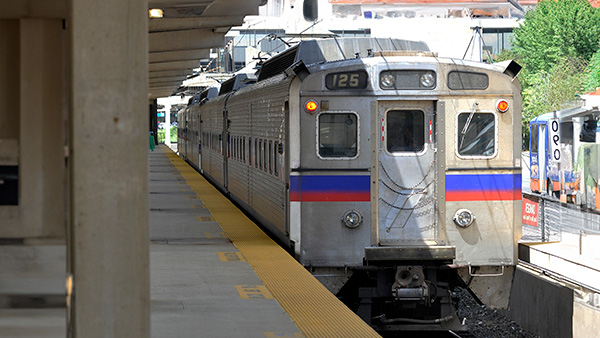
Revenue from skill games could help support mass the long-term growth and vitality of SEPTA and other regional mass transit entities while also investing in roads, bridges, and other infrastructure across our Commonwealth – without placing additional financial burdens on our citizenry.
Regulating skill games presents challenges, but it also presents an opportunity. With the October 13th deadline upon us, I call for my colleagues in the House and Senate to join my call for action. If these machines are going to safely remain part of Pennsylvania’s economy, it is incumbent on the General Assembly to establish clear and concise rules that heed the concerns of our constituents, provide a fair free structure for operation, and ensure that the earnings these games of skill generate in order to benefit communities across our Commonwealth.
Our mission is straightforward: regulate skill games responsibly and put a portion of the significant resulting revenue toward public infrastructure Pennsylvanians depend on every day.
Joe Picozzi is a state Senator from Northeast Philadelphia representing the 5th District